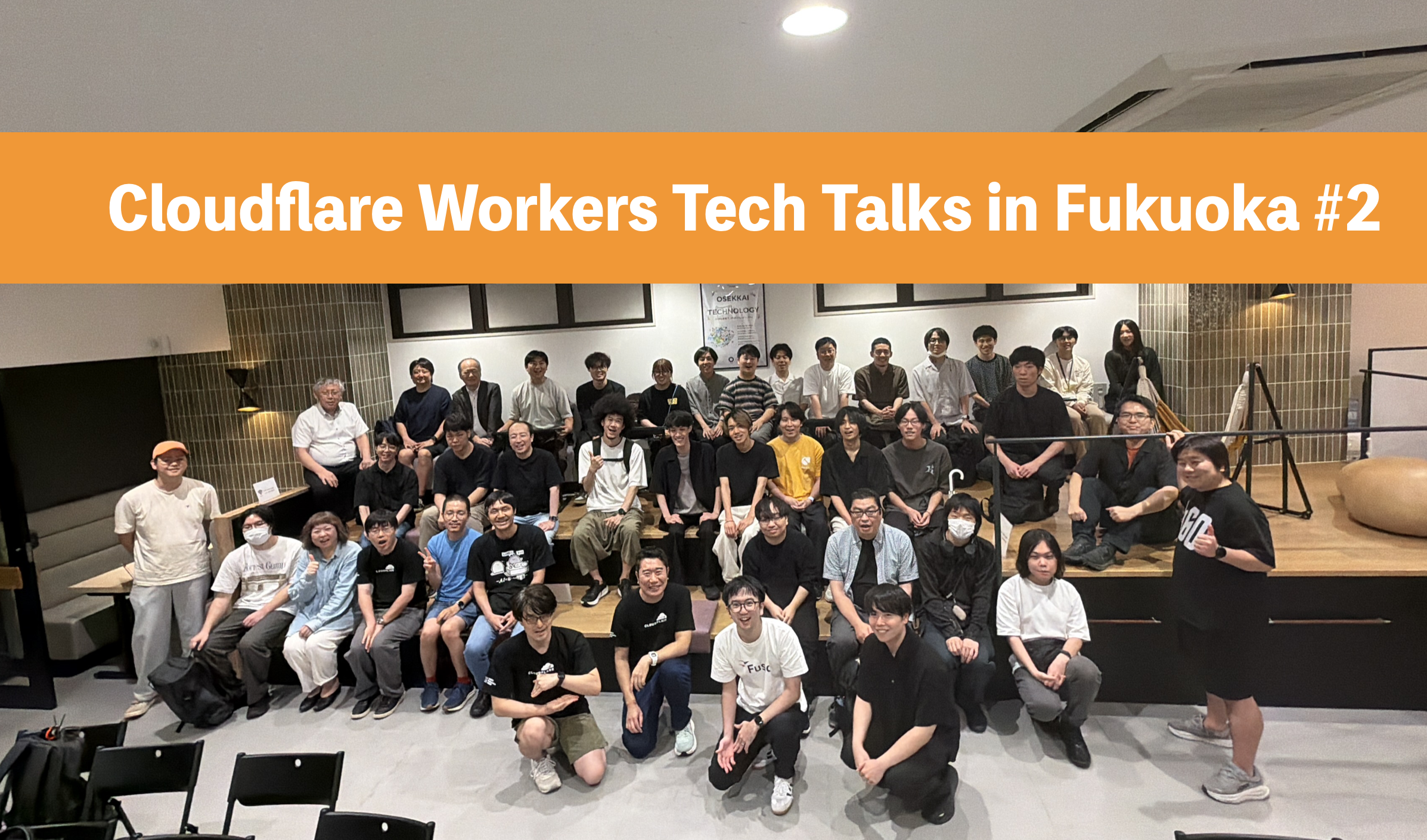
Cloudflare Workers Tech Talks in Fukuoka #2
Cloudflare Workers Tech Talks in Fukuoka #2
We held “Workers Tech Talks in Fukuoka #2” on September 10, 2026. It was the second Workers Tech Talks in Fukuoka, about ten months after the first one. The date was two days before Frontend Conference Fukuoka, held on Saturday, so several people — including me — were in Fukuoka for it. We had four talks, including mine.
What is Cloudflare Workers Tech Talks?
Cloudflare Workers Tech Talks is an event where developers who are developing using Cloudflare Workers talk about Cloudflare Workers. It has been held multiple times in Tokyo, Osaka, Kyoto, Niigata, Hokkaido, and Fukuoka, and once in Austin, Texas. The feature of this event is that the speakers are free to talk about whatever they want. I often tell the speakers, “Please don’t give introductions like ‘What is Cloudflare Workers?’“. I ask them to talk about whatever they want to talk about.
- Cloudflare Workers Tech Talks in Tokyo #1
- Cloudflare Workers Tech Talks in Tokyo #2
- Cloudflare Workers Tech Talks in Osaka #1
- Cloudflare Workers Tech Talks in Tokyo #3
- Cloudflare Workers Tech Talks in Tokyo #4
- Cloudflare Workers Tech Talks in Osaka #2
- Cloudflare Workers Tech Talks in Tokyo #5
- Cloudflare Workers Tech Talks in Kyoto #1
- Cloudflare Workers Tech Talks in Niigata #1
- Cloudflare Workers Tech Talks in Hokkaido #1
- Cloudflare Workers Tech Talks in Fukuoka #1
- Cloudflare Workers Tech Talks in Tokyo #6
- Cloudflare Workers Tech Talks in Austin #1
- Cloudflare Workers Tech Talks in Tokyo #7
- Cloudflare Workers Tech Talks in Hokkaido #2
- Cloudflare Workers Tech Talks in Kyoto #2
- Cloudflare Workers Tech Talks in Osaka #3
- Cloudflare Workers Tech Talks in Tokyo #8
Venue
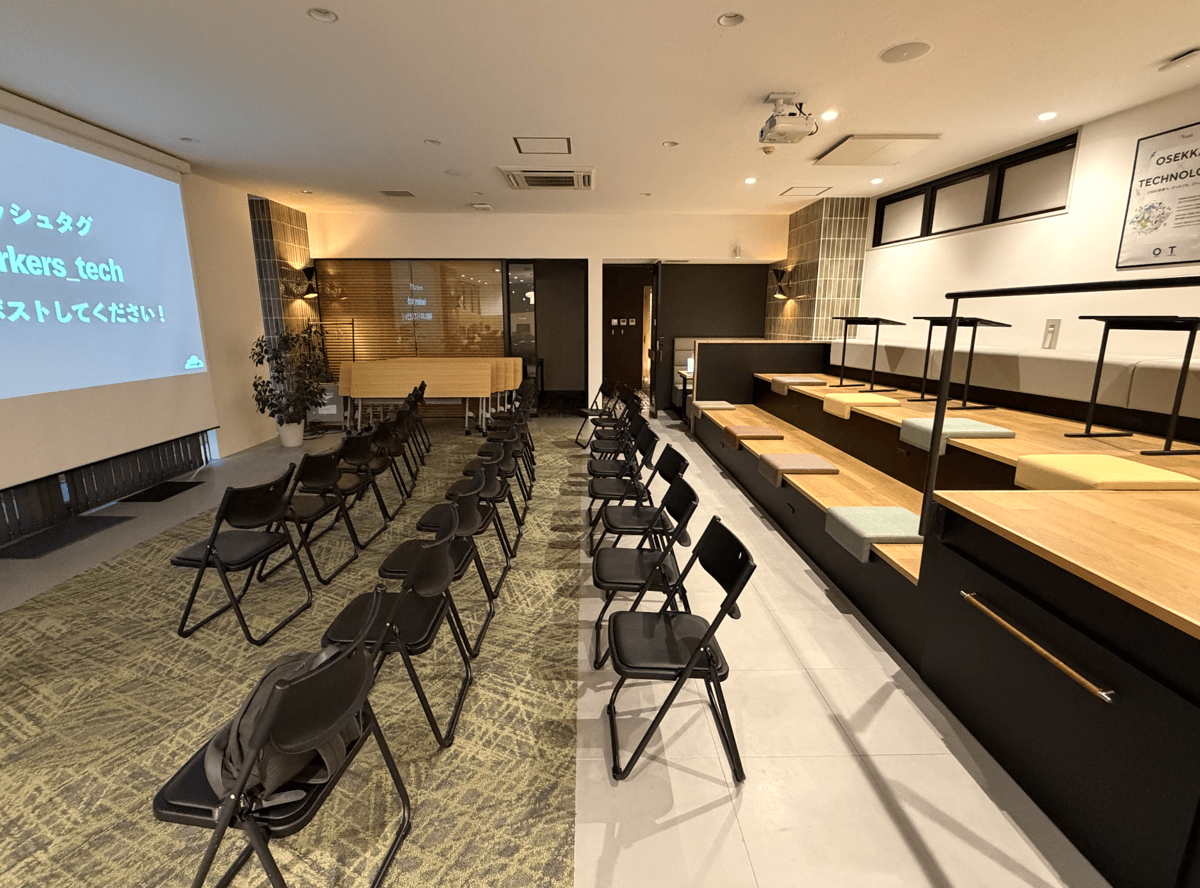
The venue was the open office of Fusic in Tenjin, Fukuoka, the same place as last time. It’s a lovely space with a relaxed atmosphere. Thank you for hosting us!
Attendees
We gathered participants through the event page on connpass.
https://workers-tech.connpass.com/event/401855/
We had 48 registrations for 50 seats, and 44 people joined on the event day — an incredible turnout rate. Some attendees even came all the way from Hiroshima just for this event, which made me really happy.
Talks
We had four talks, including mine.
Introducing Uzumibi: Write Ruby and Deploy It Straight to Cloudflare Workers!?
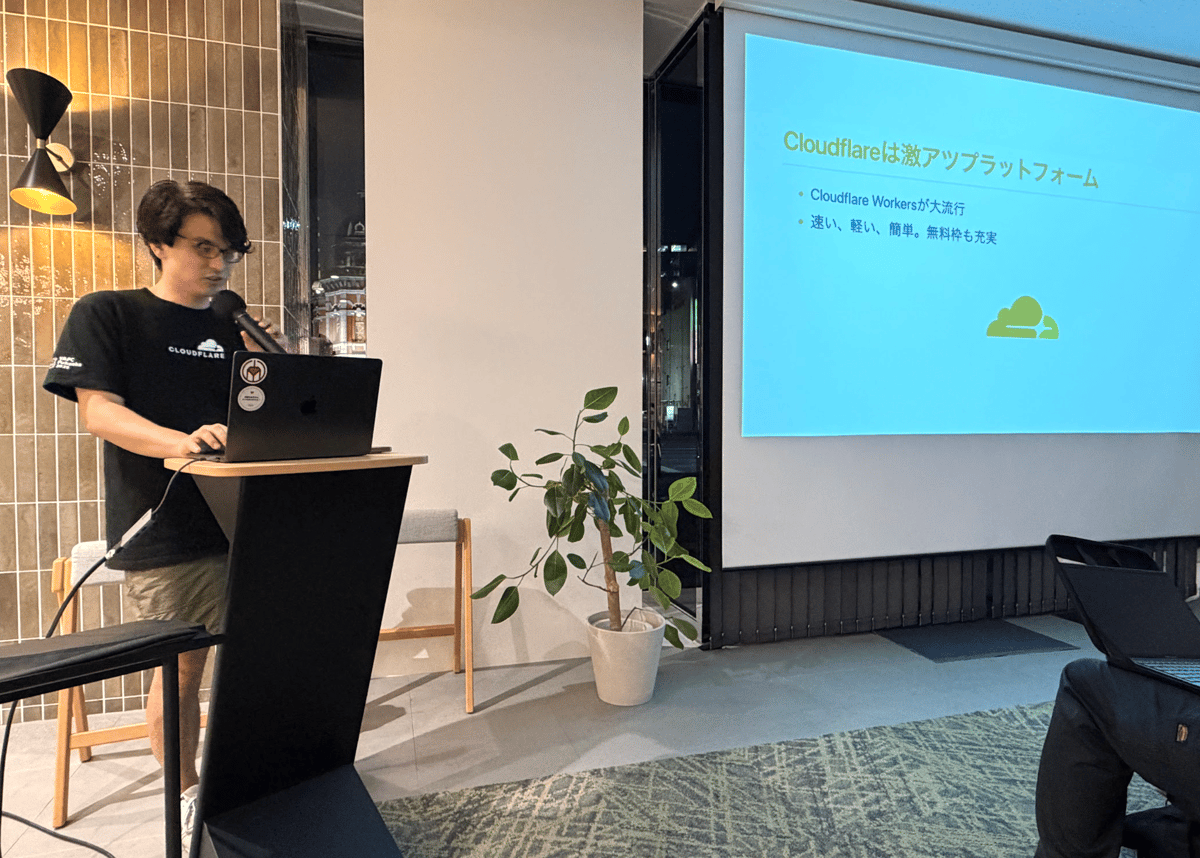
Uchio Kondo says Cloudflare is a “seriously hot” platform: fast, light, easy, with a generous free tier. There used to be places like Heroku, but today there’s nowhere to deploy a Ruby app for free — and Cloudflare can fill that gap. That’s what he is building Uzumibi for: it compiles Ruby to Wasm and runs it on Workers. The first generation used his own mruby VM (mruby/edge), but it had a compatibility problem — you expect the usual Ruby, and it isn’t quite — so Uzumibi2 adopts PicoRuby, which is smaller and more compatible. With a Rack-compatible layer on top, Sinatra actually runs on Cloudflare Workers — under 300KB compressed!
The slides: https://udzura.jp/slides/2026/cloudflare-workers-in-fukuoka-2/
Deploying a Full-Stack Bun-Native Framework on Cloudflare Workers
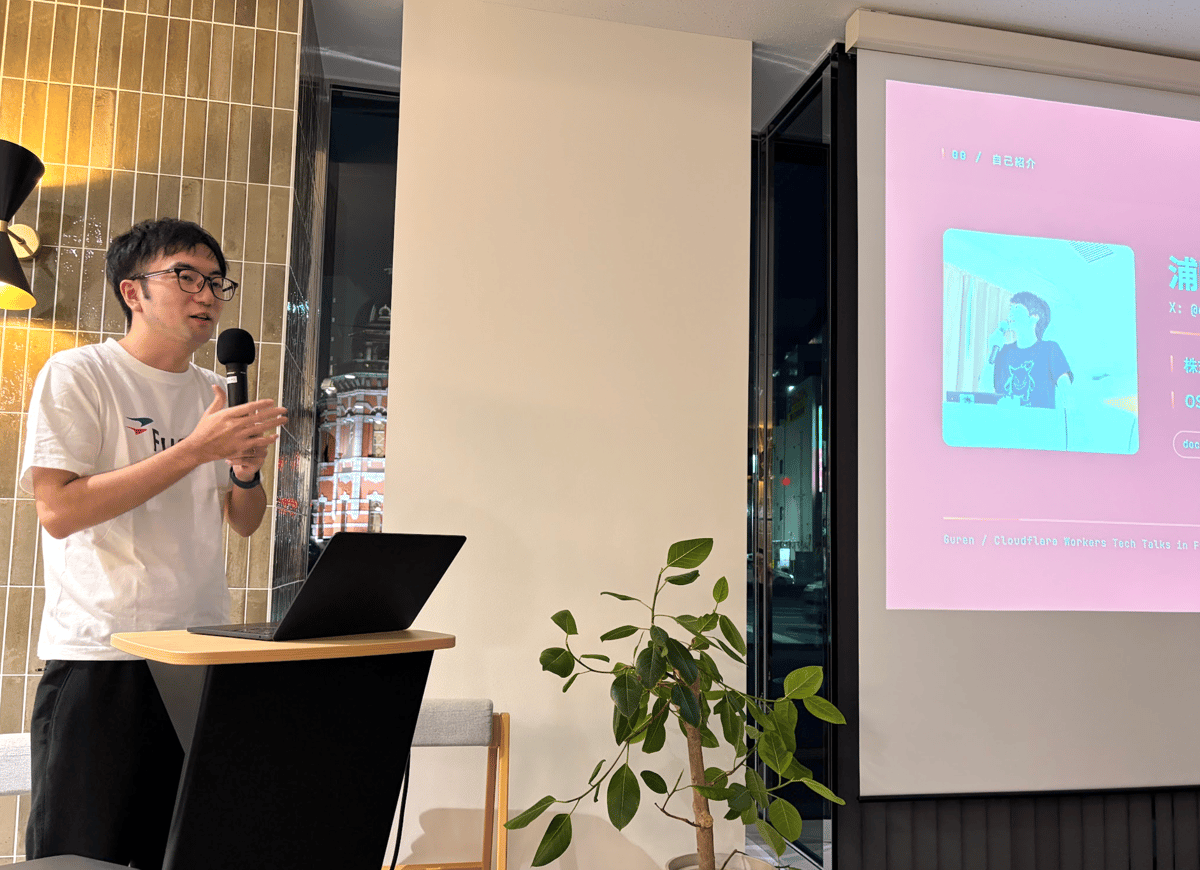
Daiki Urata, from the host company Fusic, talked about getting Guren, the Bun-native full-stack framework he authors, to run on Cloudflare Workers. He closed the gaps between Bun’s runtime and workerd one by one: static file serving with Bun.file moved to Static Assets, and Bun-specific modules like bun:sqlite were replaced with stubs via alias. guren.dev now runs at zero cost per month.
The slides: https://speakerdeck.com/7nohe/deploying-a-full-stack-bun-native-framework-on-cloudflare-workers
About Cloudflare OS
I talked about Cloudflare OS. When I asked the audience, plenty of people were using Workers, but very few had run Cloudflare OS yet — so I introduced what it is and how the pieces — Gadgets, Blueprints, and Gatekeepers — work, along with demos.
Building an In-House Automation Platform Where You “Just Write Code” with Dynamic Workers
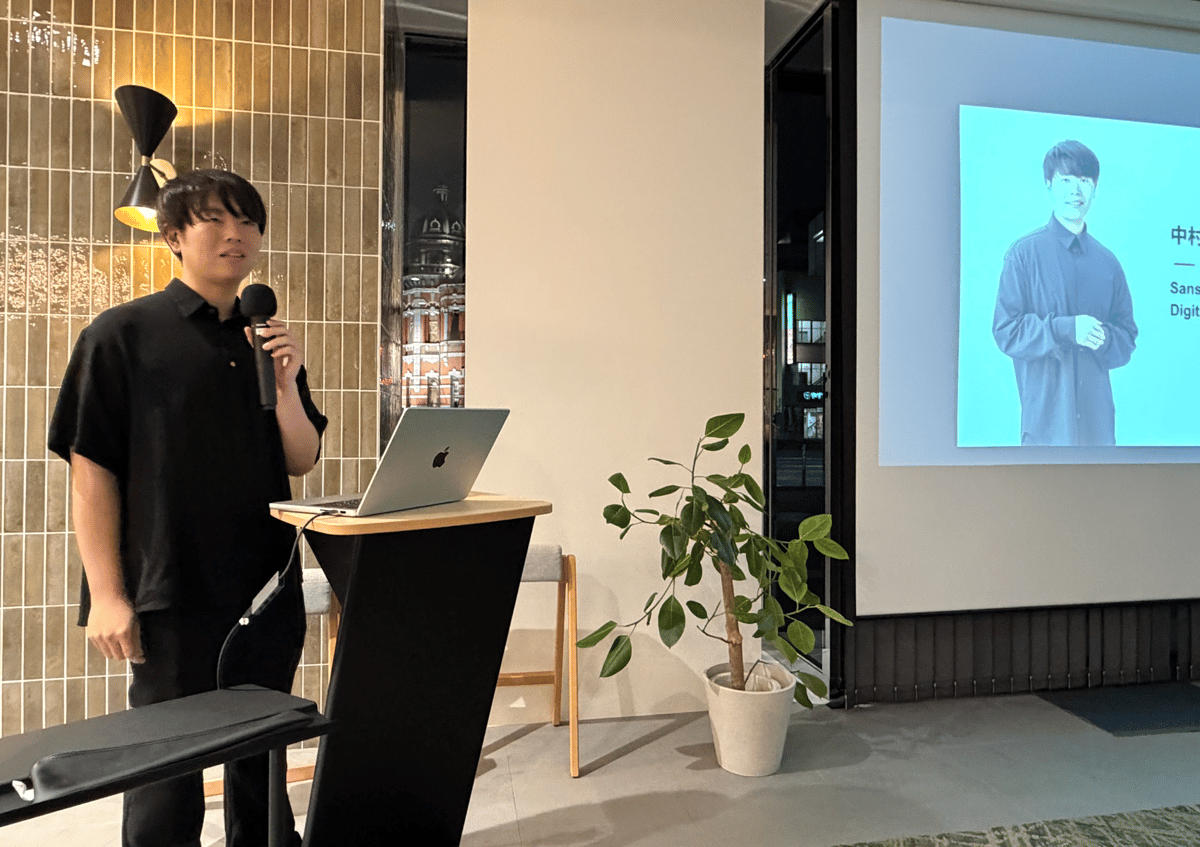
Yusuke Nakamura from Sansan, Inc. wrapped up with an in-house automation platform built on Dynamic Workers. They have been running Google Apps Script for internal automation and are now replacing it with Cloudflare Workers. The platform provides its own API, developers write a script per app using it, and those scripts are executed on Dynamic Workers. It supports scheduled runs, and several apps are already in production. Interestingly, the design converged on ideas similar to Cloudflare OS’s Gatekeepers.
Feedback
I asked the attendees to post on X with the hashtag #workers_tech. You can see their feedback here:
https://x.com/search?q=%23workers_tech
cherenkov wrote a blog post about the event, and shiroemons even built an app running on Cloudflare Workers right after attending. That’s the best kind of feedback!
Summary
The second Fukuoka edition was a deeply technical evening — Ruby on Workers via Wasm, a Bun-native framework on workerd, Cloudflare OS, and an automation platform on Dynamic Workers. Thank you to all the speakers and attendees, and to Fusic for the wonderful venue!
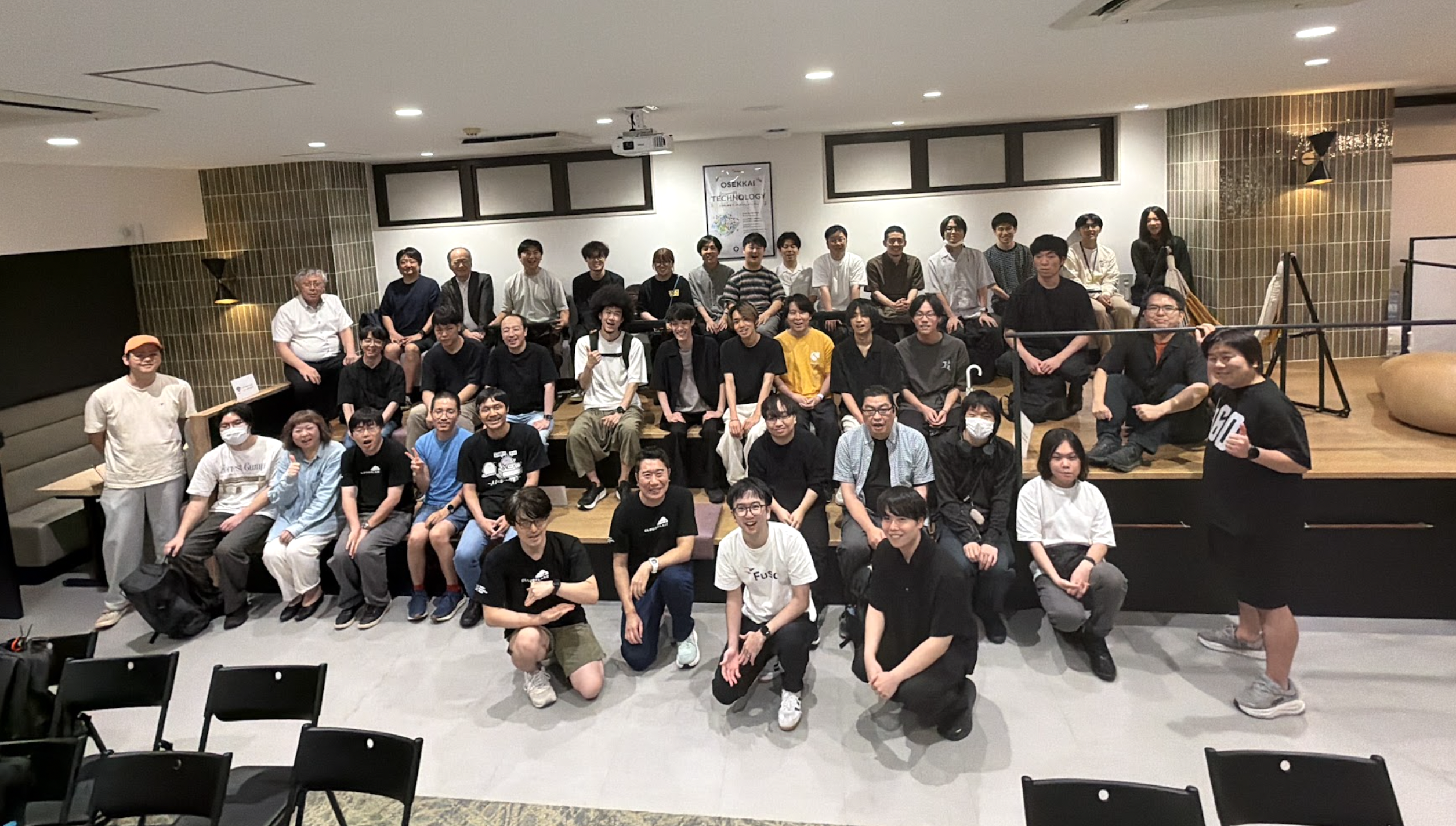
Here’s the group photo!